
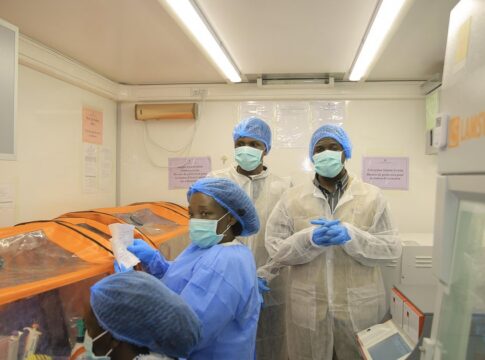
The Democratic Republic of Congo faces its deadliest Ebola outbreak in history, with deaths exceeding 4,000 in what experts now classify as the fastest-growing epidemic of the disease ever recorded. Despite more than 2,000 patients recovering from the virus, the crisis continues to expand into new regions, straining international health resources and local communities.
Health Workers Strike Over Unpaid Wages
Health workers in Bunia, the capital of northeastern Ituri province at the outbreak’s center, protested over months of unpaid wages. Officials quickly dispersed the demonstration, which included surveillance team members responsible for tracking individuals exposed to infected patients. Protesters carried signs reading “No money, no data” and “No payment for months.” These strikes have occurred repeatedly since the outbreak began, significantly hampering disease containment efforts and delaying critical public health interventions.
More than 50 health workers have died after contracting the virus while treating patients. An aid worker with Doctors Without Borders contracted Ebola in Congo and was transported to the Netherlands on a special medical flight Thursday night. The worker remains in a high-level isolation unit at Leiden University Medical Center. The organization stated the human cost of this crisis remains unprecedented in the DRC, representing the largest Ebola outbreak ever recorded in the country.


Violence and Mistrust Complicate Response
A Congolese politician died this week after being attacked and beaten for defending government measures addressing the outbreak. Marie-Celestin Karondwa, a local official with Congo’s ruling Union for Democracy and Social Progress party, was assaulted Sunday at his Butembo home, an Ebola hotspot in eastern North Kivu province. Attackers set his house ablaze, and he succumbed to injuries at a hospital. The incident underscores mounting tensions between communities and authorities.
Widespread mistrust of health workers and government officials has undermined efforts to slow the Central African nation’s 17th Ebola outbreak. Some residents dismiss Ebola as a fabrication, while others harbor deep distrust toward the government stemming from mismanagement of previous outbreaks and persistent corruption. Authorities launched a village-centered approach last month, but these efforts face significant resistance from skeptical communities.
Spread Continues Despite Falling Case Numbers
The World Health Organization recently warned about the virus’s rapid geographical expansion into new health zones, which stretches already limited resources. The Africa Centers for Disease Control and Prevention noted in its latest briefing that confirmed case numbers appear to be declining, though this may result from insecurity and challenges securing community cooperation in outbreak hotspots rather than actual disease containment.