
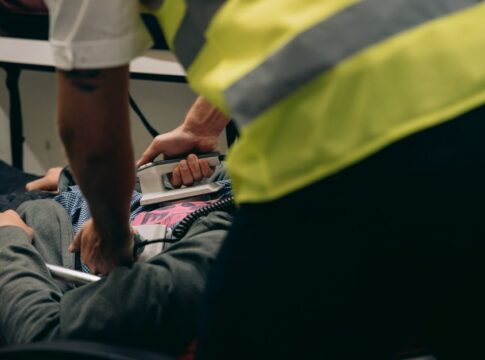
Quick-thinking firefighters from Central Pierce Fire and Rescue saved a 27-year-old woman’s life after recognizing that what appeared to be a seizure was actually cardiac arrest, reuniting with her weeks later after her recovery.
Split-Second Decision Saves Young Woman
Emergency responders from Central Pierce Fire and Rescue arrived at a call for a woman experiencing a seizure earlier this month, only to discover the situation was far more serious. The patient, identified as Breeanna, had actually gone into cardiac arrest. The crew immediately began CPR and successfully stabilized her condition before transporting her to the hospital. The rapid recognition and response proved critical to saving the young woman’s life.
Medical personnel at the hospital later revealed that Breeanna had undergone heart surgery just days before the emergency call. The timing highlighted the severity of her condition and the complications that can arise from cardiac procedures. The firefighters’ ability to distinguish cardiac arrest from seizure activity demonstrated the importance of thorough emergency medical training and assessment skills.
Personal Connection Strengthens Community Bonds
During Breeanna’s hospitalization, members of the Central Pierce Fire crew reached out to check on her recovery. One firefighter discovered a personal connection when he realized he knew her father. Through this relationship, the crew learned that Breeanna had experienced serious complications from her initial surgery and required another operation. The department maintained contact with the family throughout her recovery process, showing the human side of emergency response work.
Nearly one month after the emergency call, the firefighting crew that saved Breeanna’s life had the opportunity to reunite with her and her family. The meeting offered a stark contrast to their first encounter, with Breeanna now healthy and surrounded by loved ones rather than fighting for her life.
Why These Moments Matter
Central Pierce Fire and Rescue emphasized the significance of such reunions for their personnel. Emergency responders typically see people during the worst moments of their lives, rarely witnessing the long-term outcomes of their efforts. These follow-up encounters provide firefighters with closure and reinforcement of their life-saving work. The department noted that seeing community members healthy and happy offers valuable perspective for first responders who regularly face traumatic situations. Such positive outcomes strengthen the bond between emergency services and the communities they serve, illustrating the lasting impact of their commitment and expertise.