
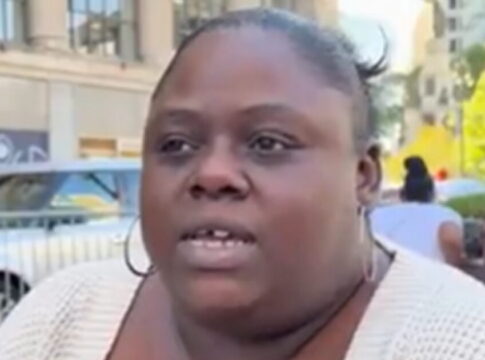
An undecided Michigan voter expressed strong reservations about former President Barack Obama campaigning for Democratic Senate candidate Abdul El-Sayed, calling the high-profile endorsement a complete turn off that undermines rather than strengthens her confidence in the candidate.
Voter Questions Campaign Strategy
The unidentified voter, interviewed on camera, stated that she remains unconvinced about El-Sayed despite Obama’s campaign visit. She explained that seeing multiple candidates rely on Obama’s appearances to secure Democratic votes feels manipulative rather than genuine. The voter said she is not fully sold on El-Sayed as a candidate, suggesting that the former president’s endorsement raises questions about whether the Senate hopeful can stand on his own merits and policy positions.
The comments highlight a potential weakness in the Democratic campaign strategy for Michigan’s Senate race. Rather than energizing undecided voters, the Obama appearance may be triggering skepticism among some constituents who view such high-profile surrogate visits as signs of candidate vulnerability or attempts to distract from substantive policy discussions.
Democrats Deploy Former President
Democratic Party operatives sent Obama to Michigan as part of a broader effort to energize voters and support down-ballot candidates in the state. Michigan has become a critical battleground, with both parties investing significant resources in Senate and gubernatorial races. The deployment of a former president typically signals that party leadership considers a race competitive or that internal polling suggests a candidate needs additional support to secure victory in November.
El-Sayed has positioned himself as a progressive candidate, advocating for policies that align with the Democratic Party’s left wing. His campaign has attracted national attention from progressive organizations seeking to expand their influence in state and federal offices across the country.
National Implications
Political observers view the Michigan Senate race as a test case for progressive candidates in swing states. Democratic strategists believe that success in Michigan could provide a roadmap for similar campaigns nationwide. However, voter reactions like the one captured on camera suggest that reliance on establishment figures and celebrity endorsements may not resonate with all constituencies. The tension between grassroots authenticity and institutional support remains a challenge for campaigns attempting to build broad coalitions across diverse voter demographics in competitive states.