When a Democratic senator sitting one table away from a presidential assassination attempt tells his own party to stop peddling conspiracy theories, you know American politics has entered stranger territory than anyone predicted.
When Eyewitness Testimony Crashes Into Partisan Fantasy
Senator John Fetterman sat close enough to death on April 25, 2026, that he could have been caught in the crossfire. The White House Correspondents’ Dinner shooting marked the third attempt on President Trump’s life in less than two years, yet significant portions of the Democratic base refused to believe it happened. Fetterman’s May 11 post on X cut through the noise with brutal simplicity: “Assassinations + political violence are real. My party can’t be the tin foil hat brigade. I was there a table away and I promise you, this was not staged.” His words exposed an uncomfortable reality—conspiracy thinking had migrated across the partisan divide.
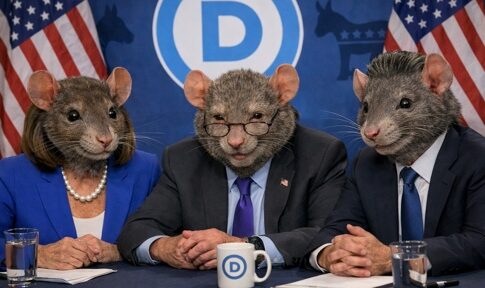
The Newguard/YouGov poll painted a disturbing picture of American political psychology. Roughly 30% of Americans believed at least one assassination attempt was faked, with Democrats showing particularly high skepticism about the Correspondents’ Dinner incident—34% versus 13% of Republicans. The term “BlueAnon” emerged as a left-wing mirror to QAnon, describing progressives who constructed elaborate false-flag narratives. These theories suggested Trump orchestrated attacks against himself to generate sympathy and political capital. The poll’s authors emphasized what should have been obvious: federal investigators found zero evidence supporting staging claims across all three incidents.
Three Attempts That Rewrote Political Violence Norms
The timeline reads like a thriller nobody wanted. July 2024 brought Thomas Crooks to a Butler, Pennsylvania rally where he wounded Trump before being neutralized. September 2024 saw Ryan Routh intercepted at a golf course with clear intent to harm the president. Then came April 25, 2026, when gunfire erupted at Washington’s most elite media gathering. Each incident followed official investigation confirming lone-actor scenarios with no Trump administration involvement. Yet social media platforms exploded with claims of theatrical staging, crisis actors, and coordinated deception. The conspiracy theories persisted despite FBI confirmation, witness testimony, and basic logical scrutiny.
Fetterman’s unique position as both Democrat and eyewitness gave his rebuke unusual weight. The Pennsylvania senator has built a reputation for defying progressive orthodoxy, earning him both admiration and contempt within his party. His physical presence at the Correspondents’ Dinner shooting—close enough to witness the chaos, fear, and very real danger—provided credibility that armchair theorists couldn’t match. When someone who shares your party affiliation tells you that your conspiracy theory is nonsense based on direct observation, dismissing him requires impressive mental gymnastics. Yet many attempted exactly that, accusing Fetterman of capitulating to Republican narratives or suffering from some form of political Stockholm syndrome.
The Partisan Gap That Reveals America’s Trust Crisis
The poll numbers expose how thoroughly partisan identity shapes perceived reality. Only 38% of Americans believed all three attempts were genuine, while 12% declared all three staged—with Democrats dominating that latter category. This represents a stunning reversal of traditional conspiracy demographics. Conservatives spent years associated with fringe theories through QAnon and election denialism, yet the BlueAnon phenomenon demonstrates that motivated reasoning transcends ideology. When political tribalism becomes strong enough, adherents will reject eyewitness accounts, federal investigations, and physical evidence to maintain preferred narratives. The 21-point gap between Democrats and Republicans on the Correspondents’ Dinner incident alone illustrates how the same event gets processed through completely different cognitive filters.
Fetterman’s intervention matters because it represents an elected official prioritizing truth over tribal loyalty. His statement—”My party can’t be the tin foil hat brigade”—acknowledged the reputational damage conspiracy-mongering inflicts on Democrats attempting to position themselves as the reality-based coalition. The irony wasn’t lost on conservative commentators who spent years defending their side against mainstream media accusations of conspiracy addiction. Townhall and similar outlets celebrated Fetterman’s stand while noting the hypocrisy of progressives who mocked QAnon believers now embracing equally unsubstantiated theories. The senator’s willingness to call out his own side demonstrates the kind of intellectual honesty that American politics desperately needs but rarely rewards.
Why Facts Still Matter Despite Tribal Pressures
The broader implications extend beyond one senator’s social media post. Political violence normalization poses genuine dangers when citizens can’t agree on basic reality. If significant populations believe assassination attempts are theatrical performances, they’re less likely to support security measures, take threats seriously, or condemn political violence unequivocally. This creates permission structures for actual violence by diminishing its gravity. Fetterman recognized this danger, understanding that conspiracy theories about fake assassinations make real assassinations more thinkable. His eyewitness testimony provided a reality anchor that polls and official statements couldn’t match—someone from the Democratic tribe saying “I was there, this happened, stop lying.”
John Fetterman Bashes BlueAnon Conspiracy Theories About Trump Assassinations https://t.co/chSWvSYbDr NewGuard / YouGov etc. are polling the homeless, insane asylums, prisons…how's that for a reliable sampling frame ?
— Staedt66 (@Staedt66) May 12, 2026
The BlueAnon phenomenon reveals how quickly any political movement can descend into conspiratorial thinking when it serves emotional or strategic needs. Democrats who spent years correctly criticizing right-wing conspiracy theories now face a mirror showing their own susceptibility to evidence-free narratives. Fetterman’s stand offers a template for how party members can push back without abandoning their political identity. He didn’t become a Republican or endorse Trump—he simply insisted on factual accuracy regarding political violence. That this counts as controversial says everything about our current moment. The question remains whether other Democrats will follow his lead or whether tribal loyalty will continue overriding observable reality.
Sources:
John Fetterman Bashes BlueAnon Conspiracy Theories About Trump Assassinations – Townhall
John Fetterman Bashes BlueAnon Conspiracy Theories About Trump Assassinations – KSLM News