
The Trump administration announced a coordinated campaign Monday to neutralize the International Criminal Court, escalating a long-standing conflict over American sovereignty and the court’s authority to investigate U.S. citizens and allies.
State Department Unveils Multi-Pronged Strategy
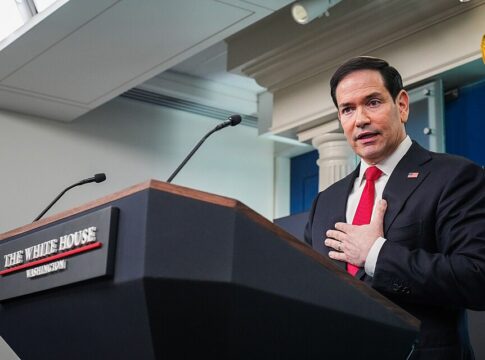
Secretary of State Marco Rubio released a video statement alongside a Wall Street Journal opinion piece detailing the administration’s position. Rubio accused the ICC of conducting warfare against America through legal mechanisms rather than military force. The Secretary warned that if the court attempts to undermine U.S. sovereignty, it will face the full strength of American resolve. This announcement builds on existing sanctions already imposed on ICC officials and human rights organizations providing evidence to the court.
The State Department outlined several measures under consideration, including pressuring U.S. military and law enforcement partners to reject ICC authority over American personnel. The plan proposes heightened scrutiny of nations receiving U.S. assistance while supporting ICC jurisdiction, along with expanded sanctions and travel restrictions targeting court personnel and affiliated organizations.
Legal Background and Jurisdiction Questions
The United States never ratified the Rome Statute that established the ICC in 2002, maintaining it holds no jurisdiction over American citizens. However, ICC officials have determined they can investigate U.S. personnel as part of broader probes in countries that signed the founding treaty. The court has been examining alleged war crimes in Afghanistan since 2020, including potential abuses by U.S. military and intelligence officials, though no Americans have faced prosecution to date.
During his first presidential term, Trump imposed initial sanctions against ICC officials in 2020 over the Afghanistan investigation. President Biden later removed those penalties while maintaining official opposition to the probe. The Justice Department reaffirmed this position in a late June letter to ICC President Tomoko Akane.
Timing and International Law Implications
Legal experts questioned why the administration chose this moment for the announcement, noting the ICC has taken no recent actions concerning the United States or its allies since Trump returned to office in January 2025. However, several recent U.S. actions could potentially draw ICC scrutiny, including military operations during the U.S.-Israel conflict with Iran, strikes on Caribbean vessels suspected of drug smuggling, and the removal of Venezuelan leader Nicolas Maduro. The administration may be attempting to preemptively weaken an institution already dealing with internal controversies surrounding lead prosecutor Karim Khan.