
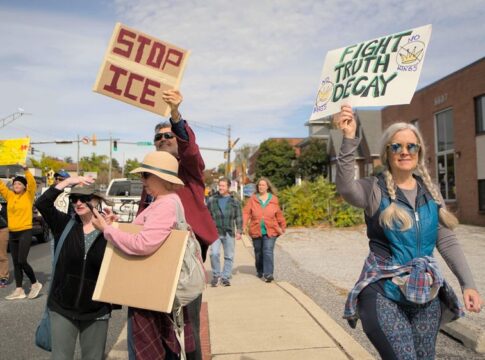
Federal courts have sentenced multiple protesters who demonstrated against Immigration and Customs Enforcement facilities to lengthy prison terms, marking an escalation in how the justice system handles civil disobedience cases involving immigration enforcement.
Heavy Sentences Handed Down
The sentencing of anti-ICE demonstrators to decades-long prison terms represents a significant shift in judicial response to protests targeting federal immigration facilities. These sentences far exceed typical penalties for similar acts of civil disobedience in recent American history. The cases have drawn attention from civil liberties advocates who question whether the punishment fits the crimes committed during the demonstrations.
The protesters faced charges related to their activities at ICE detention facilities, where they opposed the agency’s enforcement operations. Federal prosecutors pursued maximum penalties, arguing the demonstrations interfered with legitimate government functions and posed security risks. Defense attorneys countered that their clients exercised First Amendment rights to peaceful assembly and protest.
Constitutional Questions Emerge
Legal experts across the political spectrum have raised concerns about the proportionality of these sentences. The cases test the boundaries between protected political speech and criminal conduct. Some constitutional scholars argue that while protesters must face consequences for illegal actions, the severity of these punishments may chill legitimate dissent. Others maintain that federal facilities require robust protection and that those who break laws during protests must accept serious consequences.
The sentencing trend reflects broader tensions over immigration policy and enforcement. ICE has become a flashpoint in national debates about border security, deportation practices, and the treatment of detained migrants. Protests at ICE facilities have increased in frequency and intensity over recent years, prompting stronger responses from law enforcement and prosecutors.
What This Means
These cases will likely influence how future protests are conducted and prosecuted. The lengthy sentences send a clear message that federal authorities consider interference with immigration enforcement operations a serious offense warranting substantial punishment. The outcomes may discourage some from participating in demonstrations at federal facilities while potentially energizing others who view the sentences as government overreach. As appeals move forward, courts will weigh fundamental questions about balancing public safety, government operations, and constitutional rights to protest. The resolution of these cases could establish precedents affecting protest movements nationwide for years to come.
Lawful protest is important right. Assaults on law enforcement officers are not lawful protests. Those who engage in arson and attempt to use vehicles as deadly weapons need to receive maximum penalties as examples to other domestic terrorists.