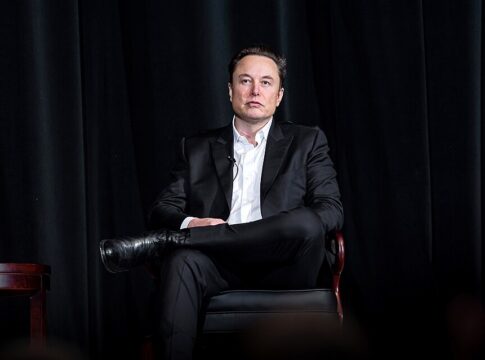
Elon Musk’s artificial intelligence company has filed a lawsuit to block a Minnesota law set to take effect Saturday that would ban AI applications capable of creating non-consensual nude images, arguing the restriction violates First Amendment protections.
The Legal Challenge
The lawsuit challenges Minnesota’s new legislation targeting so-called “nudification” apps, which use artificial intelligence to digitally remove clothing from images of people. Musk’s AI company contends the law overreaches by restricting protected speech, specifically noting that such technology can serve legitimate purposes including political satire and commentary about public figures. The timing of the legal action comes just days before the law’s scheduled implementation.
Minnesota lawmakers crafted the legislation to address growing concerns about AI-generated content that violates personal privacy and dignity. The law specifically targets applications designed to create fake nude images without consent. However, the lawsuit argues that broad restrictions on this technology interfere with constitutionally protected expression, particularly when applied to commentary about politicians and celebrities.
Free Speech Implications
The case highlights the ongoing tension between protecting individuals from harmful AI-generated content and preserving free speech rights under the Constitution. Musk’s company emphasizes that artificial intelligence tools have valid uses in creating parody and satire, which receive strong First Amendment protection. The lawsuit argues that Minnesota’s approach fails to distinguish between protected political speech and genuinely harmful applications.
This legal challenge adds to growing national debate about how states should regulate rapidly advancing AI technology. As these tools become more accessible and sophisticated, legislators across the country face pressure to address potential harms while respecting constitutional limitations on government power to restrict speech and technology.
Broader Context
The Minnesota law represents part of a broader movement by state governments to establish guardrails around artificial intelligence applications. Privacy advocates have raised alarms about non-consensual intimate images, arguing they cause real harm to victims. However, technology companies and free speech advocates warn that overly broad restrictions could stifle innovation and legitimate expression.
The outcome of this lawsuit could set important precedent for how courts balance emerging technology regulation against First Amendment principles. Similar legislation in other states may face comparable challenges if Minnesota’s law is blocked, potentially requiring more carefully tailored approaches that address specific harms without sweeping restrictions on protected speech.