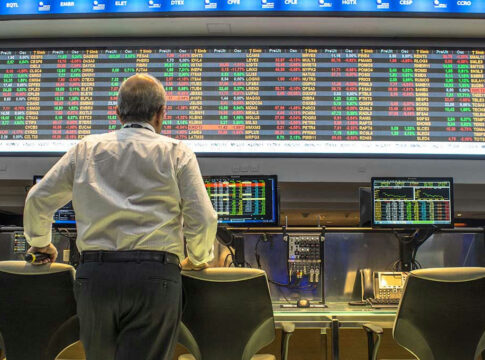
The 2025 government shutdown is not just a political skirmish; it has frozen the IPO market, jeopardizing its recovery and impacting billions in potential capital raises.
Story Overview
- The SEC’s curtailed operations have halted IPO processing.
- Companies face growing uncertainty and financial implications.
- Investor confidence is at risk, with market volatility on the horizon.
- The duration of the shutdown will dictate the lasting impact on the IPO market.
Government Shutdown and the IPO Market
The U.S. government shutdown that began on October 1, 2025, has brought the IPO market to a standstill. The Securities and Exchange Commission (SEC), a pivotal player in the IPO process, has curtailed its operations significantly. With the SEC’s inability to review and approve IPO filings, companies eager to go public are left in limbo. This regulatory bottleneck threatens not only the companies but also billions of dollars in potential capital raises.
The SEC’s operational paralysis is particularly impactful as the IPO market was just beginning to show signs of recovery after a prolonged slump. The shutdown coincides with a crucial period for many high-profile companies preparing to enter the public arena. The timing of this event sets it apart from past shutdowns, with the scale of affected capital raises being unprecedented.
Impact on Stakeholders
Primary stakeholders in this scenario include the U.S. Congress, the SEC, companies in the IPO pipeline, investors, and federal employees. The Congress, embroiled in partisan disputes over funding, holds the power to end the shutdown. Meanwhile, the SEC’s limited capacity has left companies and their planned IPOs in a precarious position. Investors, both institutional and retail, face uncertainty as they await new public offerings.
The shutdown has furloughed approximately 900,000 federal employees, adding to the broader economic implications. The power dynamics in play have left companies and investors at the mercy of political decisions, highlighting the interconnectedness of government actions and market operations.
Economic and Market Implications
In the short term, the IPO market’s freeze means immediate halts to new public offerings. Companies face increased costs and potential delays in updating their financials. Investor uncertainty is growing, with the potential for increased market volatility. The shutdown’s resolution timeline will greatly influence the long-term implications.
If resolved quickly, IPOs may resume with minimal lasting damage, albeit with a backlog. A prolonged shutdown could lead to a noticeable economic drag, delayed or canceled IPOs, softer valuations, and increased reliance on private funding. An unprecedentedly long shutdown could cause permanent economic damage, diminished investor confidence, and an altered IPO landscape.
Expert Perspectives and Analysis
Industry experts emphasize the vulnerability of the IPO market to regulatory shutdowns, noting the irreplaceable role of the SEC in public offerings. Analysts warn that a prolonged shutdown could permanently alter the IPO landscape, with some companies opting to remain private longer or seek alternative funding. Historical analyses suggest that while broader stock markets often weather shutdowns, the IPO market is disproportionately affected due to its dependence on regulatory review.
Government shutdown threatens to stall the recovery in the IPO market @WashTimes https://t.co/G4T4MTneMc
— Washington Times Local (@WashTimesLocal) October 7, 2025
Some experts argue that a swift resolution could allow for a rapid rebound of the IPO market. However, others caution that the current economic context, combined with the potential for permanent job cuts, could lead to deeper, lasting damage. The analysis remains grounded in real-time reporting and expert commentary from financial news outlets, focusing on the unique features of the 2025 shutdown.